
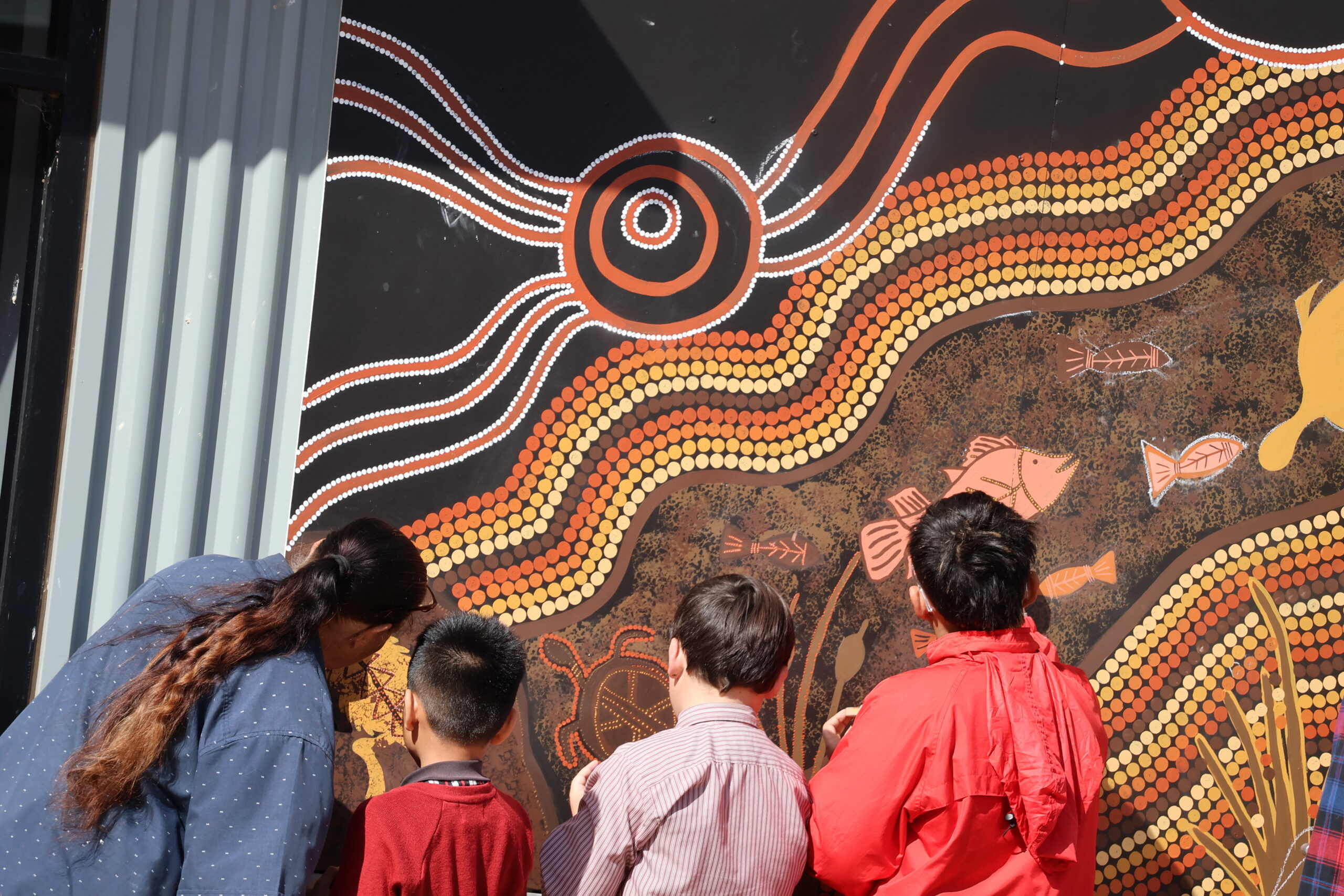
Aboriginal bush tucker found in and around wetlands, swamps, and ponds in South Australia include a variety of tubers, reeds, and aquatic plants that were traditionally used by First Nations communities.
Here are key bush tucker plants associated with wetland habitats in South Australia:
Nardoo (Marsilea drummondii)
Found in ephemeral wetlands and creekbeds. Its spore cases are harvested, roasted, and ground into flour.
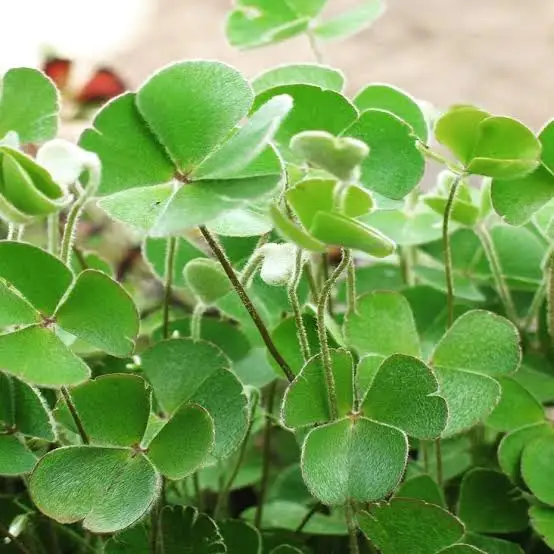
Common Reed (Phragmites australis)
Found in wetlands; young flowering shoots can be eaten, and the roots are a source of starch.
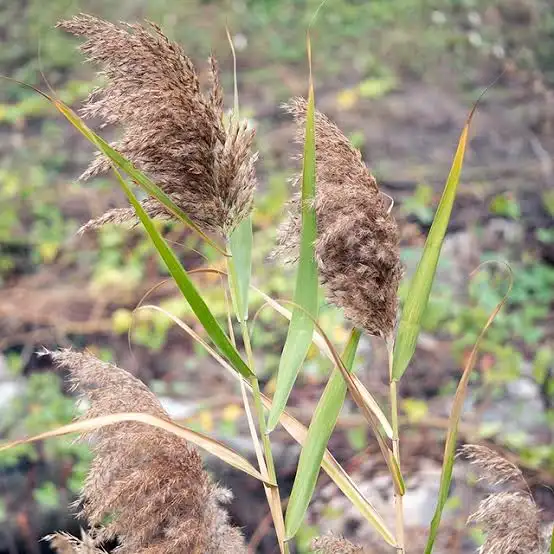
Milkmaids (Burchardia umbellate)
Often found in moist, swampy areas. Its tubers can be roasted in earth ovens or eaten raw.
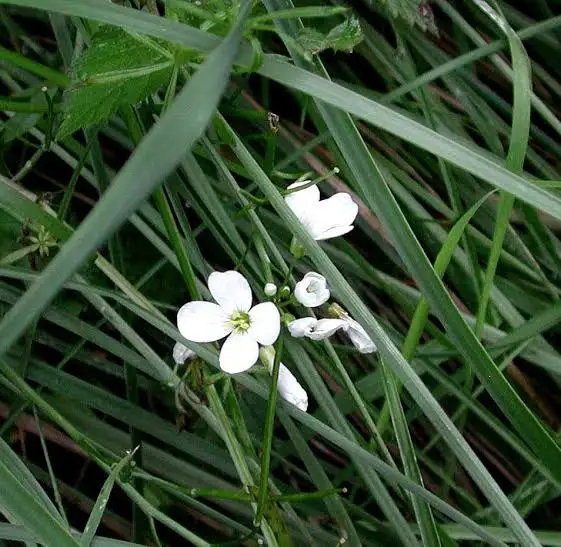
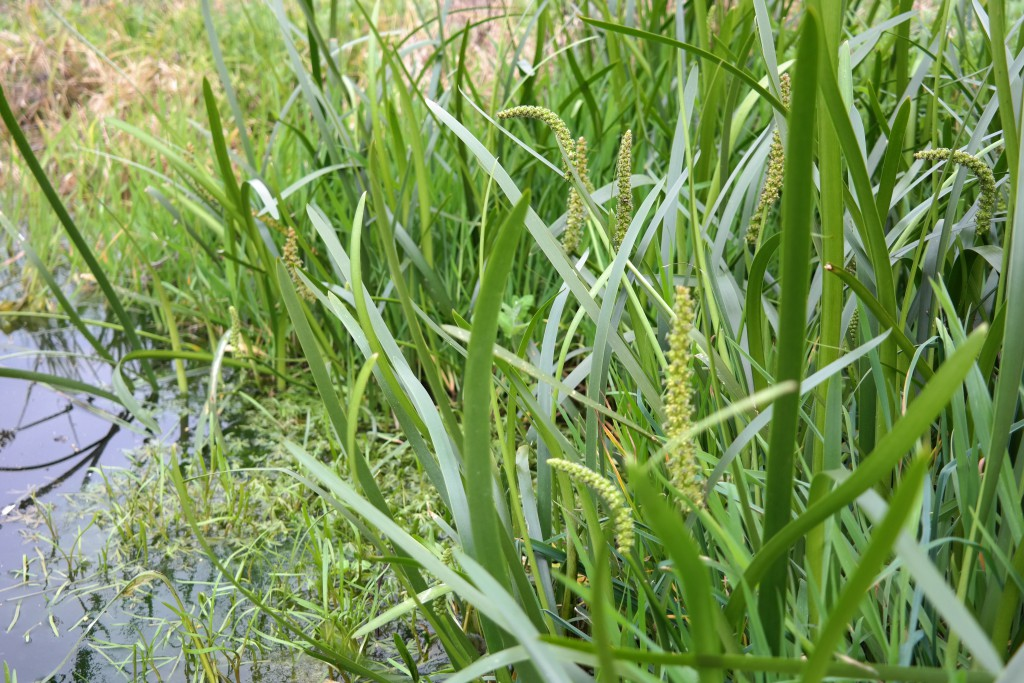
Water Ribbons (Triglochin procera)
A common South Australian wetland tuber.
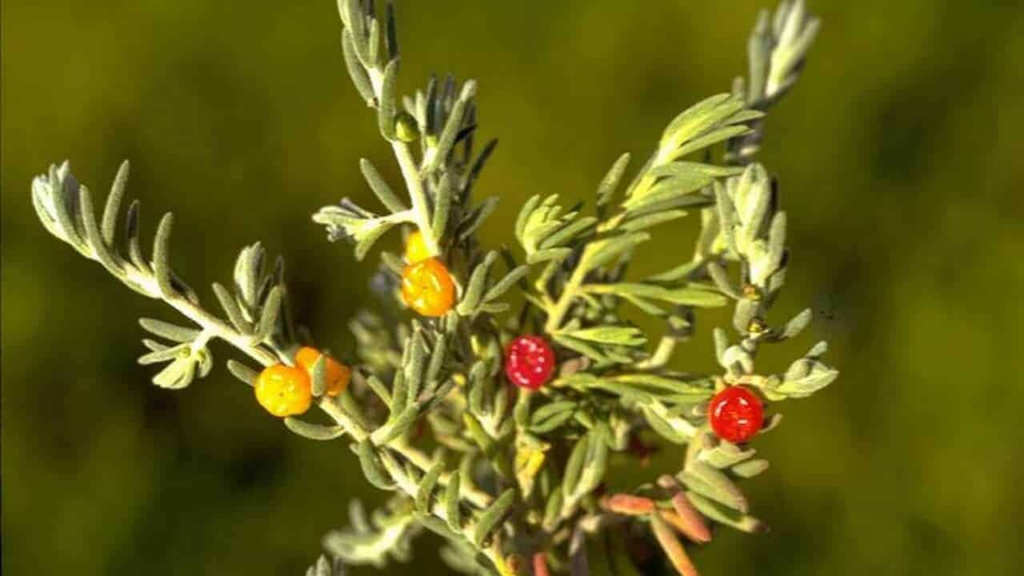
Ruby Saltbush (Enchylaena tomentosa)
Often found near saline wetlands, producing edible red or yellow berries.
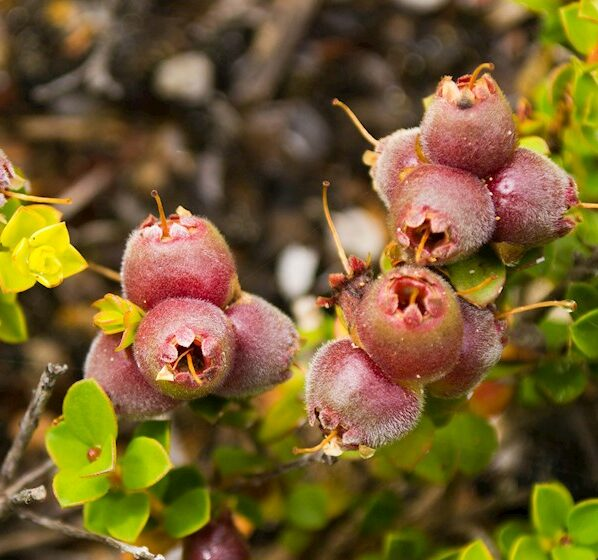
Muntries
A feature of the wetlands. For the Ngarrindjeri people they were a favourite historical diet and were often traded with other tribes.
Woody plant bears clusters of green berries that turn purple/red and can be eaten raw or cooked. They contain four times more antioxidants than blue berries.
Kangaroo Grass/Wallaby Grass
They are edible Australian native grasses, producing nutritious seeds traditionally gathered by First Nations people to crate flour for Damper.
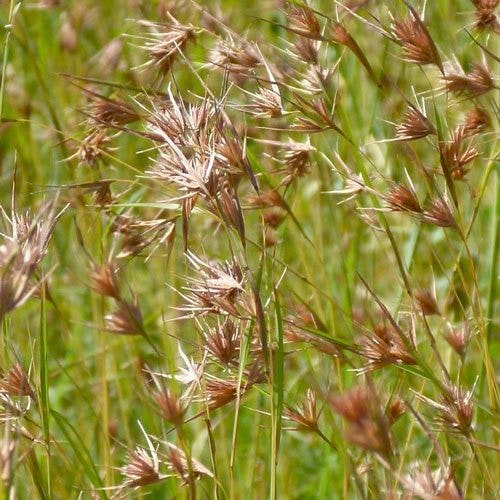
These plants are often located in Southern SA environments, including areas like the Coorong, Bool Lagoon, and the Adelaide
First Nations people in South Australia have utilised a wide variety of fish and reptiles from ponds, wetlands, and inland waterways—such as the River Murray, Lower Lakes, and Fleurieu Swamps—for thousands of years, with major food sources including Murray Cod, Golden Perch, yabbies, freshwater mussels, and snake-necked turtles